

Table of Contents
- The Textile Science Behind Island Aesthetic Durability
- Natural Fibers: Benefits of Natural Fibers in Clothing for Longevity
- Salt-Air Corrosion Resistance: Why Island Clothes Don't Deteriorate
- UV Protection and Sun-Bleaching Resistance
- Design Principles That Extend Garment Life
- How to Care for Linen Clothing to Maximize Durability
- Sustainable Lifecycle Management and Slow Fashion
- Island Aesthetic Staples Built to Last
Last Updated: August 13, 2026
The Textile Science Behind Island Aesthetic Durability
Island aesthetic clothing lasts longer because of the specific materials and construction methods that define this style. The relationship between fabric choice, design philosophy, and environmental adaptation creates garments that resist degradation far better than typical fast-fashion alternatives.
At Inkspired Creations, the longevity of island-inspired pieces stems from three interconnected factors: the inherent properties of natural fibers, the structural design that reduces stress on fabric, and the care practices that preserve textile integrity over time. Understanding these elements reveals why island aesthetic clothing represents a meaningful investment rather than a disposable purchase.
The foundation of durability lies in textile science itself. Island climates demand fabrics that breathe, shed moisture, and resist both sun damage and salt-air corrosion. These requirements naturally exclude synthetic blends and tightly woven synthetics. Instead, they favor natural fibers with proven longevity records spanning centuries of coastal wear.
Natural Fibers: Benefits of Natural Fibers in Clothing for Longevity
The benefits of natural fibers in clothing for longevity are rooted in their molecular structure and how they interact with environmental stressors. Natural fibers like linen and cotton possess inherent properties that synthetic alternatives cannot replicate, making them the foundation of garments that endure.
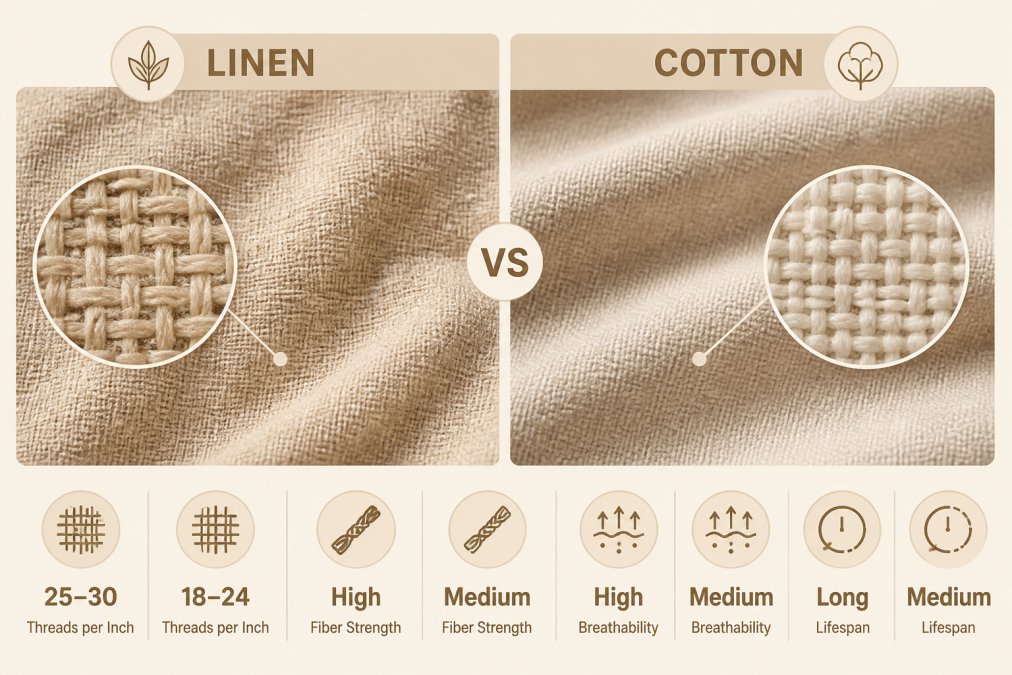
Linen's Tensile Strength and Heat Regulation
Linen stands apart for its exceptional tensile strength, which actually increases when the fabric becomes wet. This property makes linen garments more durable through repeated washing and wearing, particularly in humid island environments. The fiber's structure allows moisture to pass through without weakening the cloth itself.
Heat regulation in linen works through its hollow fiber core, which permits air circulation and moisture evaporation. This breathability prevents the fabric from degrading due to trapped heat and sweat accumulation. Garments that remain dry and cool experience far less stress on their fibers, extending their usable lifespan significantly.
Linen's natural resistance to mildew and bacterial growth adds another durability dimension. Island climates combine heat, humidity, and salt spray, conditions that accelerate decay in most materials. Linen's inherent antimicrobial properties mean fewer washing cycles are needed to maintain hygiene, reducing wear from laundering.
Cotton's Moisture-Wicking and Breathability
Cotton's moisture-wicking capability allows sweat and humidity to move away from the skin and evaporate from the fabric surface. This constant moisture management prevents the fabric from becoming saturated and heavy, which would accelerate fiber breakdown. The fiber's ability to absorb up to 27% of its weight in water without feeling wet is crucial for island wear.
Breathability in cotton comes from the fiber's porous structure and how garments are typically woven. The space between fibers permits airflow, preventing heat buildup that degrades fabric over time. Well-constructed cotton pieces maintain their structural integrity through countless wear cycles because they're not constantly stressed by moisture retention or thermal stress.
Cotton's compatibility with natural dyes and finishes also contributes to longevity. Unlike synthetic treatments that can break down or flake off, natural dye processes bond with cotton fibers at a molecular level. This means the color and finish remain stable through years of sun exposure and washing, maintaining the garment's appearance alongside its structural integrity.
Salt-Air Corrosion Resistance: Why Island Clothes Don't Deteriorate
Salt-air corrosion resistance is the critical factor separating island aesthetic pieces from garments designed for other environments. Salt particles in coastal air attack synthetic fibers and metal components, causing accelerated degradation. Natural fibers resist this corrosion through their chemical composition and how they interact with salt deposits.
Linen and cotton fibers don't corrode in the presence of salt the way polyester and nylon do. The cellulose structure of natural fibers remains stable when exposed to salt spray and salt-laden air. This is why traditional maritime clothing for centuries has relied on linen and cotton, not because of aesthetic preference, but because these materials physically withstand coastal environments.
Metal hardware on island aesthetic garments typically uses stainless steel, titanium, or brass rather than standard steel. These materials resist salt-air corrosion through their alloy composition. When combined with natural fibers, this hardware choice ensures that seams, closures, and structural elements remain intact through years of coastal exposure.
UV Protection and Sun-Bleaching Resistance
UV protection becomes essential in island environments where sun exposure is relentless. Natural fibers handle UV radiation differently than synthetics. Linen and cotton develop a natural patina over time rather than degrading or becoming brittle, which is what happens to many synthetic materials under intense sun.
Sun-bleaching resistance in quality island aesthetic pieces comes from both the fiber type and the dye process used. Natural dyes used in traditional island clothing have proven their stability across centuries of sun exposure. Modern pieces that maintain this tradition use dyes that bond deeply with fibers rather than sitting on the surface where UV rays can break them down.
The weave density of the fabric also affects UV resistance. Tightly woven natural fibers provide better protection against UV penetration than loosely woven synthetics. Island aesthetic design typically favors medium-weight weaves that balance breathability with UV protection, a sweet spot that keeps garments functional and durable.
Design Principles That Extend Garment Life
Island aesthetic design principles aren't merely aesthetic choices; they're functional strategies that reduce stress on fabric and extend garment lifespan. Every aspect of how these pieces are constructed, from silhouette to seam placement, serves durability alongside style.
Loose Silhouettes Reduce Fabric Stress
Loose, flowing silhouettes characteristic of island aesthetic clothing reduce mechanical stress on fibers. Tight garments create tension points where fabric is constantly pulled and stretched, accelerating wear and tear. Loose silhouettes allow fabric to move naturally with the wearer's body, distributing stress evenly across the entire garment.
This design principle also prevents premature wear patterns. Tight clothing develops shine spots and thinning areas where friction is concentrated. Loose pieces wear more uniformly, maintaining their appearance and structural integrity across the entire garment. The relaxed fit isn't just comfortable; it's a durability strategy.
Loose silhouettes also facilitate air circulation around the body, maintaining the breathability advantage of natural fibers. Tight garments trap heat and moisture against skin, negating the benefits of breathable materials. Island aesthetic design maximizes these benefits through silhouette choices that honor the fiber properties.
Quality Construction and Seam Integrity
Seam integrity determines whether a garment will hold together through years of wear. Island aesthetic pieces typically use flat-fell seams, French seams, or other reinforced seam types rather than basic single-stitched construction. These seam techniques distribute stress across multiple thread lines, preventing seam failure even after years of use.
The thread used in quality island aesthetic garments is typically natural fiber thread, often linen or cotton, rather than polyester. Natural fiber thread ages alongside the garment rather than becoming brittle or breaking down at different rates. This compatibility means seams remain strong as long as the fabric itself remains strong.
Stitch density also matters significantly. More stitches per inch create stronger seams that resist unraveling and stress failure. Quality island aesthetic pieces use 12-16 stitches per inch in stress areas, compared to 8-10 stitches per inch in mass-produced garments. This increased stitch density means seams that can handle years of movement and washing without failing.
How to Care for Linen Clothing to Maximize Durability
How to care for linen clothing properly is essential knowledge for anyone investing in island aesthetic pieces. Proper care practices can extend a linen garment's lifespan by years, while improper care can degrade even quality pieces quickly.
Wash linen in cool to warm water, never hot. Hot water can cause linen fibers to swell and contract excessively, weakening the fabric over time. Cool water cleaning is sufficient for most situations and preserves the fabric's integrity far better than hot water washing.
Use a gentle detergent designed for natural fibers rather than standard laundry detergent. Standard detergents contain surfactants and enzymes that can break down cellulose fibers. Natural fiber detergents are formulated to clean effectively without damaging the fabric's molecular structure.
Air dry linen whenever possible rather than using a machine dryer. The tumbling action and heat of a dryer accelerate fiber breakdown and can cause shrinkage. Line drying preserves the fabric's dimensions and integrity. If you must use a dryer, use the lowest heat setting and remove garments while slightly damp.
Fold linen garments for storage rather than hanging them for extended periods. Extended hanging can cause fibers to stretch permanently under the garment's own weight. Proper folding maintains the fabric's shape and prevents stress-related degradation during storage.
Sustainable Lifecycle Management and Slow Fashion
Sustainable lifecycle management represents the philosophical foundation of why island aesthetic clothing lasts longer than fast-fashion alternatives. Slow fashion prioritizes garments designed to endure decades rather than seasons, fundamentally changing how durability is approached.
Slow fashion philosophy rejects the disposability mindset that drives fast-fashion production. Instead, it emphasizes creating pieces that improve with age, developing patina, softening, and becoming more beautiful through wear. This approach requires using materials and construction methods that support this aging process rather than degrading under use.
The environmental impact of garment longevity cannot be overstated. A linen piece worn for fifteen years has a dramatically lower environmental impact than fifteen disposable synthetic garments worn for one year each. This calculation includes water usage, chemical processing, transportation, and textile waste. Investing in durable island aesthetic pieces is an environmental decision as much as a style choice.
Repairability is central to sustainable lifecycle management. Island aesthetic garments are designed with accessible seams and quality construction that allows for repairs. A torn seam can be resewn. A worn hem can be replaced. These repair-friendly designs mean garments can continue serving their purpose for decades rather than ending up in landfills.
Island Aesthetic Staples Built to Last
Island aesthetic staples represent the core pieces that define this style while embodying the durability principles discussed throughout this guide. These pieces are built to last because they're designed around the environmental realities of coastal living and the material science that supports longevity.
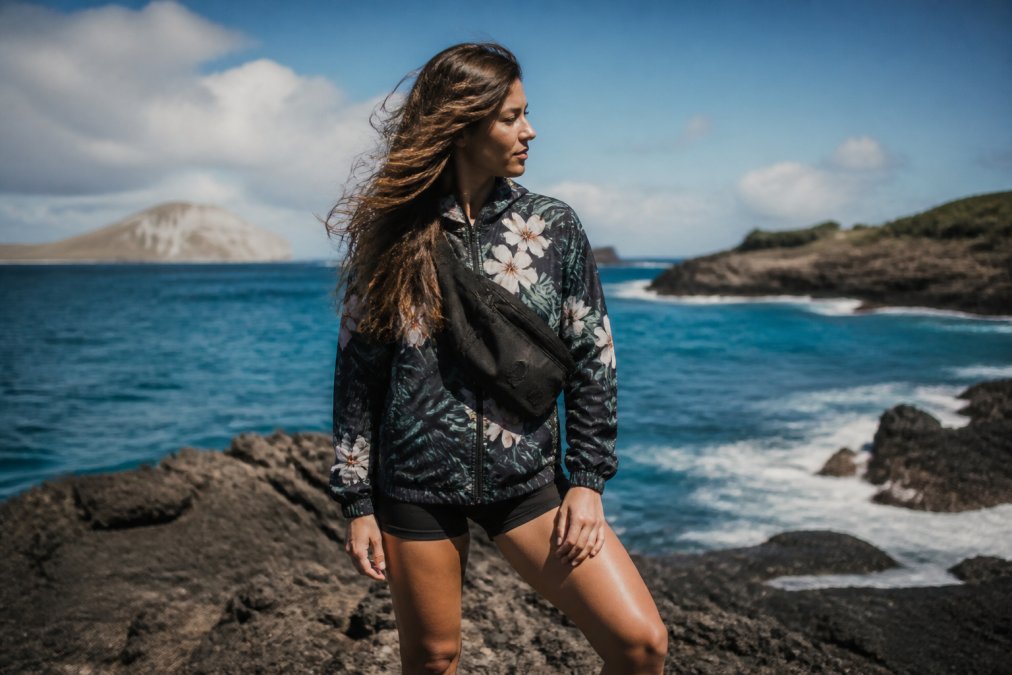
Linen shirts and tunics form the foundation of any durable island wardrobe. Quality linen pieces develop a beautiful lived-in appearance through wear while maintaining structural integrity. The fabric becomes softer and more comfortable with each washing, rewarding years of use with improved performance.
Lightweight cotton trousers and skirts offer versatility without sacrificing durability. Natural cotton resists the wear patterns that develop in synthetic blends, maintaining their appearance across seasons. The breathability that makes cotton comfortable in heat also prevents the moisture-related degradation that weakens synthetics.
Accessories like the Island Warrior Chest Bag or Hawaiian Strength Chest Bag represent functional pieces designed for daily use. These bags use premium nylon with reinforced stitching, stainless steel hardware, and thoughtful construction that handles years of carrying and environmental exposure. The compact design of pieces like the Tropical Sunset Chest Bag makes them practical for travel, while their quality construction ensures they remain functional after years of use.


Layering pieces in natural fibers allows for climate adaptation without requiring extensive wardrobes. A quality linen overshirt or cotton cardigan can be worn across seasons and styled countless ways. This versatility means fewer total pieces needed, which aligns with both sustainable consumption and the slow fashion philosophy that supports garment longevity.
The color palettes of island aesthetic pieces- warm neutrals, ocean-inspired blues, sunset tones- are chosen partly for their timelessness. These colors remain relevant across decades, meaning your island aesthetic pieces won't feel dated after a few years. This aesthetic longevity complements the physical durability of the garments themselves.
Island aesthetic clothing lasts longer because every element, from fiber selection to seam construction to design philosophy, prioritizes durability and environmental adaptation. When you invest in pieces from brands like Inkspired Creations that understand this approach, you're acquiring garments designed to improve with age rather than degrade. The combination of natural fibers, quality construction, and thoughtful design creates pieces that serve you reliably for years, making the initial investment meaningful rather than disposable. Start with foundational pieces like a quality linen shirt or a durable chest bag, and you'll experience firsthand how island aesthetic clothing becomes more valuable the longer you wear it.
Frequently Asked Questions
What makes island aesthetic clothing more durable than standard fashion?
Island aesthetic clothing lasts longer because it prioritizes natural fibers like linen and cotton over synthetic blends, uses quality construction techniques, and features loose silhouettes that reduce fabric stress. Natural fibers have higher tensile strength and resist salt-air corrosion better than synthetics. The design philosophy emphasizes timeless pieces over trends, encouraging long-term wear and care rather than fast fashion disposal cycles.
How should you care for linen clothing to extend its lifespan?
Wash linen in cool water on a gentle cycle to preserve fiber integrity, and avoid excessive bleach, which weakens tensile strength. Air dry when possible instead of machine drying, as heat can damage the fabric weave. Store linen in a cool, dry place away from direct sunlight to prevent sun-bleaching. Fold rather than hang heavy linen pieces to avoid stretching. Regular, gentle care actually strengthens linen over time through proper fiber maintenance.
What natural fibers are best for long-lasting summer wear?
Linen and cotton are the gold standard for durability in warm climates. Linen offers superior tensile strength and heat regulation, making it ideal for coastal environments where salt air and UV exposure occur. Cotton provides excellent breathability and moisture-wicking while maintaining durability through proper care. Both fibers resist synthetic degradation from salt and sun exposure, and they improve with age rather than deteriorating as synthetic blends do.
Is island aesthetic clothing considered a sustainable fashion choice?
Yes. Island aesthetic clothing embodies sustainable lifecycle management through quality construction designed for long-term wear, natural fiber production that biodegrades, and timeless designs that resist trend cycles. By investing in durable pieces built to last years rather than seasons, you reduce overall consumption and waste. The slow fashion philosophy behind island aesthetics encourages meaningful ownership and repair rather than replacement, aligning with sustainable consumption practices.
This article was written using GrandRanker