

Table of Contents
- Why These Tips for Sustainable Apparel Shopping Actually Change Your Wardrobe
- How to Spot Greenwashing in Fashion Before You Buy
- Eco-Friendly Clothing Materials: What to Choose and What to Avoid
- Secondhand Clothing Tips: How to Shop Vintage and Thrift Effectively
- How to Identify Ethical Fashion Brands Worth Supporting
- Cost-Per-Wear Analysis and Building a Capsule Wardrobe
- More Tips for Sustainable Apparel Shopping: Care, Repair, and End-of-Life
- Conclusion
Last Updated: August 1, 2026
The clothing industry generates an enormous volume of textile waste each year, and the average American throws away roughly 80 pounds of clothing annually according to EPA textile waste overview. If you're searching for tips for sustainable apparel shopping, you're already ahead of most consumers who never question where their clothes come from or where they end up. This guide from Inkspired Creations breaks down exactly how to build a wardrobe that reflects your values without sacrificing style or your budget. Below, we'll cover greenwashing detection, cost-per-wear analysis, fiber selection, and end-of-life garment management: the angles most listicles skip entirely.
Here's what most guides get wrong: sustainable apparel shopping isn't about buying "green" products. It's about buying less, choosing better, and keeping what you own for longer.
Why These Tips for Sustainable Apparel Shopping Actually Change Your Wardrobe
Sustainable apparel shopping is the practice of selecting clothing based on environmental impact, ethical manufacturing, supply chain transparency, and long-term garment quality rather than price or trend alone. Most people approach their closet as a revolving door. Fast fashion made that easy and cheap, but the real cost shows up in textile waste, microplastics released during washing, and the water consumption required to produce a single cotton T-shirt. The slow fashion movement pushes back by prioritizing quality over quantity and circular fashion principles over disposability.
The tips covered in this guide aren't theoretical, they're the kind of framework that changes how you walk through a store or browse online. You'll spend more time thinking before you buy and far less time donating clothes you barely wore.
How to Spot Greenwashing in Fashion Before You Buy
Greenwashing in fashion is the practice of making misleading environmental claims to attract eco-conscious shoppers without meaningful changes to manufacturing or supply chain practices. Brands spend significant marketing budgets on green imagery and vague sustainability pledges. Recognizing the difference between real commitment and greenwashing is essential.
Red Flags on Clothing Labels and Brand Websites
Watch for these specific warning signs:
- Vague language without data: "Made with the environment in mind," "conscious collection," "sustainable materials" with no specifics
- One green product in a fast fashion catalog: A single "eco line" doesn't offset thousands of other garments made without scrutiny
- No supply chain transparency: Legitimate sustainable brands name their factories, publish audit results, and disclose sourcing
- Recycled packaging as the headline claim: Shipping in a recycled mailer while the garment itself is virgin polyester is a distraction
- No third-party verification: Claims that exist only on the brand's own website, with no external certification backing them up
Certifications That Actually Mean Something
Not all certifications carry equal weight. These are the ones worth trusting when evaluating ethical fashion brands:
| Certification | What It Covers | Issued By |
|---|---|---|
| GOTS (Global Organic Textile Standard) | Organic fiber + ethical processing | Global Standard gGmbH |
| Fair Trade Certified | Worker wages, labor conditions | Fair Trade USA |
| OEKO-TEX Standard 100 | Harmful substance testing | OEKO-TEX Association |
| Bluesign | Chemical use, resource efficiency | Bluesign Technologies |
| B Corp Certification | Overall social and environmental performance | B Lab |
A brand displaying one or more of these certifications has submitted to third-party auditing. According to Federal Trade Commission Green Guides, marketing claims about environmental benefits must be truthful, not misleading, and substantiated, which gives you a legal framework for evaluating what brands say.
Eco-Friendly Clothing Materials: What to Choose and What to Avoid
Material choice is where sustainable apparel shopping becomes concrete. The fiber a garment is made from determines its water consumption during production, its biodegradability at end of life, and whether it sheds microplastics into waterways every time you wash it.
Natural Fibers vs. Synthetic Materials
Natural fibers like organic cotton, linen, hemp, and wool are biodegradable and generally produce fewer microplastics. Organic cotton avoids the synthetic pesticides used in conventional cotton farming. Linen and hemp require significantly less water than cotton and enrich the soil they grow in.
Synthetic materials like conventional polyester, nylon, and acrylic are derived from petroleum. They don't biodegrade and shed microplastic particles with every wash cycle. Recycled polyester diverts plastic bottles from landfills but still sheds microplastics and doesn't solve the end-of-life problem.
No fiber is perfect. Wool has animal welfare considerations. Organic cotton still uses water. The goal is to make informed trade-offs, not to find a flawless option.
Recycled and Deadstock Fabrics Worth Knowing
Recycled polyester (often labeled rPET) uses post-consumer plastic waste as its raw material, improving the carbon footprint over virgin polyester, though it still sheds microplastics.
Deadstock fabric is leftover material from larger production runs that would otherwise go to landfill. Small brands using deadstock reduce textile waste without requiring new raw material extraction.
Secondhand Clothing Tips: How to Shop Vintage and Thrift Effectively
Thrift and vintage shopping is the most direct form of circular fashion available to most consumers. Buying secondhand extends garment longevity, removes demand from new production, and often delivers better quality than fast fashion at a lower price point.
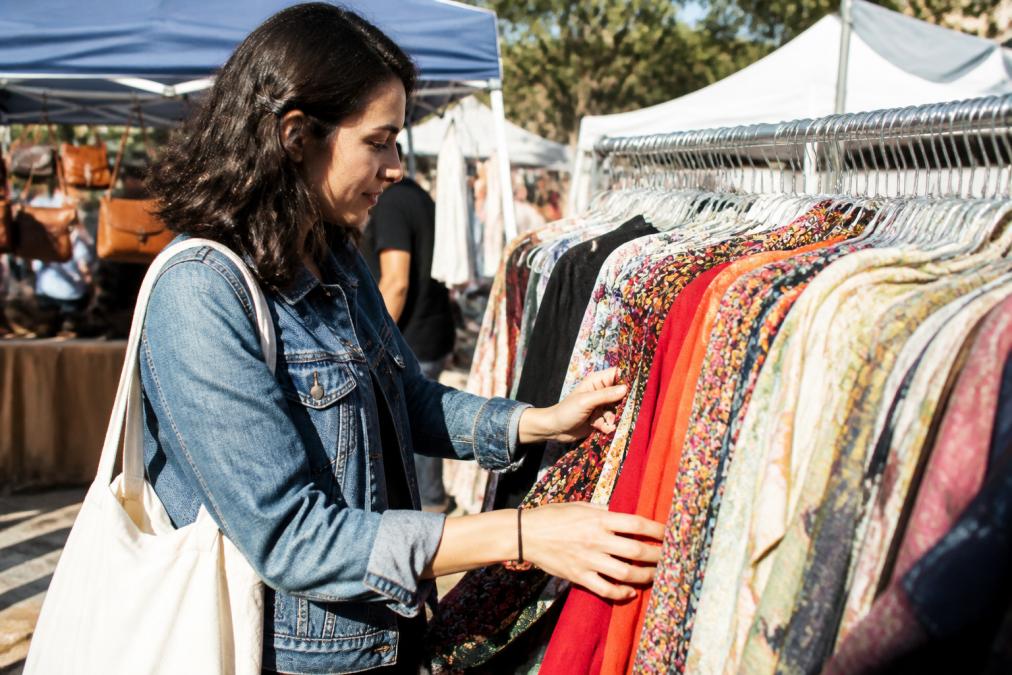
The secondhand clothing tips that actually move the needle are about shopping with intention:
- Know your measurements before you go. Vintage sizing is inconsistent. Bring a tape measure or know your bust, waist, and hip measurements.
- Inspect seams, zippers, and fabric tension. Run your fingers along seams. Check zipper pulls. Hold the fabric up to light to spot thinning or pilling.
- Focus on natural fiber pieces. Secondhand linen, wool, and cotton age better and last longer than thrifted synthetic blends.
- Shop online secondhand platforms for specific items. Platforms like Poshmark, ThredUp, and Depop let you search by brand, size, and condition.
- Prioritize timeless silhouettes over trend pieces. A vintage denim jacket or a well-cut blazer will outlast anything chasing a current micro-trend.
- Budget for minor repairs. A missing button or a small hem repair shouldn't disqualify a great piece. Factor in the cost of a tailor when evaluating secondhand finds.
Vintage pieces that don't fit perfectly are candidates for alteration, dyeing, or embellishment into something genuinely original.
How to Identify Ethical Fashion Brands Worth Supporting
Ethical fashion brands demonstrate accountability across their supply chain, from raw material sourcing through manufacturing conditions to worker compensation. The distinction between ethical and merely fashionable is supply chain transparency.
A common mistake is equating a high price tag with ethical production. The questions that matter are:
- Where are the garments made? Brands that name their factories and publish audit results are taking accountability seriously.
- Who made them? Fair trade certification and living wage commitments are verifiable.
- What happens to unsold inventory? Brands that destroy or landfill unsold stock are not operating sustainably.
- Is the brand transparent about its failures? Genuinely ethical brands acknowledge where they fall short and publish progress reports.
According to Good On You ethical brand ratings, brands are rated across planet, people, and animals categories using publicly available data and direct brand questionnaires.
Cost-Per-Wear Analysis and Building a Capsule Wardrobe
This is the section most sustainable fashion guides skip, and it's the one that changes behavior most reliably.
How to Calculate Cost-Per-Wear
Cost-per-wear reframes how you evaluate clothing purchases:
Cost-Per-Wear = Purchase Price / Number of Times Worn
A $200 jacket worn 100 times costs $2 per wear. A $40 jacket worn 4 times costs $10 per wear. The expensive piece is the better value by a factor of five.
Apply this before every purchase:
- Estimate honestly how many times per year you'll wear the item
- Multiply by the number of years you expect to own it
- Divide the price by that number
- If the cost-per-wear exceeds what you'd pay for a single-use rental, reconsider
Building a Capsule Wardrobe Around Quality Pieces
A capsule wardrobe is a curated collection of versatile, high-quality pieces that work together across multiple outfits, reducing the need for constant new purchases. Most capsule wardrobe frameworks target 30-40 pieces total.
The practical approach:
- Start with a wardrobe audit. Pull everything out. Identify what you actually wear versus what occupies space.
- Define your lifestyle categories. Work, casual, active, and occasion wear each need representation, but the proportions should match your actual life.
- Identify gaps, not wants. A gap is something you reach for and don't have. A want is something that looks good in an ad.
- Fill gaps with quality pieces. Buy fewer things, but buy things that last.
- Commit to a one-in-one-out rule. Every new piece requires retiring or rehoming an existing one.
At Inkspired Creations, the approach to quality and durability in island-inspired apparel aligns directly with this framework. Pieces designed to last and carry meaning are exactly what a capsule wardrobe is built around.
More Tips for Sustainable Apparel Shopping: Care, Repair, and End-of-Life
The purchase decision is only half the equation. What you do with a garment after you own it determines whether it achieves genuine garment longevity or ends up in a landfill ahead of schedule.
Washing and Caring for Clothes to Extend Garment Lifespan
Washing is the single biggest factor in garment degradation. Most clothes don't need to be washed as often as Americans wash them. Over-washing fades color, breaks down fibers, and shortens garment life.
Practical care habits that extend garment lifespan:
- Wash in cold water. Cold water cleans effectively and causes significantly less fiber damage than hot water
- Use the gentle cycle for anything delicate. High agitation breaks down fabric structure faster
- Air dry when possible. Dryer heat degrades elastic, shrinks natural fibers, and accelerates color fading
- Turn dark garments inside out before washing. This reduces surface friction that causes fading
- Spot-clean between washes. A small stain doesn't require a full wash cycle
- Store knitwear folded, not hung. Hanging stretches the shoulders of knit garments over time
Learning to repair loose buttons, small seam splits, or minor snags extends the life of garments that would otherwise be discarded.
End-of-Life Garment Management: Donate, Recycle, or Upcycle
End-of-life garment management is one of the most overlooked aspects of sustainable apparel shopping. Most people default to donation, but not all donated clothing finds a new home. Charity organizations resell a fraction of what they receive; the rest often ends up in overseas textile markets or landfill.
A more intentional approach:
- Donate only what is genuinely wearable. Stained, torn, or heavily worn items become waste with extra transportation steps.
- Use textile recycling programs. Many retailers now offer take-back programs for worn clothing, diverting material from landfill into recycled fiber production.
- Upcycle before discarding. A worn-out T-shirt becomes cleaning rags. Denim scraps become patches.
- Sell or swap. Platforms like Poshmark, Facebook Marketplace, and local clothing swaps extend garment life while returning some of your original investment.
- Check brand take-back programs. Some ethical fashion brands accept their own garments back for recycling or refurbishment.
The broader framework for tips for sustainable apparel shopping comes down to this: buy less, choose better, care for what you own, and manage end-of-life with intention. None of these steps require a large budget. They require a different mindset about what clothing is for and what it costs the planet when we treat it as disposable.
For anyone building a wardrobe that reflects genuine values rather than trend cycles, the combination of secondhand shopping, cost-per-wear thinking, ethical brand selection, and proper garment care creates a system that works. These tips for sustainable apparel shopping aren't a checklist to complete once. They're habits that compound over time into a wardrobe that's both more personal and more responsible.
Frequently Asked Questions
What are the most important things to consider when buying sustainable clothing?
Focus on three areas: the material (prioritize organic cotton, natural fibers, or recycled polyester over virgin synthetics), the brand's supply chain transparency (look for verifiable certifications, not vague claims), and how long you'll actually wear the piece. A garment made from eco-friendly clothing materials that you wear 100 times does far less environmental damage than a cheap item worn twice. Doing a quick wardrobe audit before buying also prevents duplicate purchases.
How can I tell if a clothing brand is truly sustainable or just greenwashing?
Greenwashing in fashion is common. Watch for vague buzzwords like 'eco-conscious' or 'green' with no supporting detail. Trustworthy ethical fashion brands name specific certifications such as GOTS (Global Organic Textile Standard), Fair Trade USA, or bluesign. They also publish supplier lists or third-party audit results. If a brand's sustainability page is heavy on lifestyle imagery and light on actual data about water consumption, textile waste reduction, or carbon footprint, treat the claims skeptically.
Is sustainable fashion more expensive, and how can I shop sustainably on a budget?
Higher-quality sustainable pieces often cost more upfront, but cost-per-wear analysis frequently shows they're cheaper over time. A $90 shirt worn 150 times costs $0.60 per wear; a $20 fast fashion shirt worn 10 times costs $2.00 per wear. Budget-conscious shoppers can prioritize secondhand clothing tips: thrift stores, resale apps, and vintage shops offer quality garments at lower prices while reducing textile waste. Buying fewer, better items is the core principle of slow fashion and conscious consumerism.
What materials should I look for and avoid when buying sustainable apparel?
Look for organic cotton, linen, hemp, Tencel (lyocell), and recycled polyester. These reduce water consumption, chemical use, or dependence on virgin petroleum. Deadstock fabric is another solid choice since it repurposes existing material. Avoid conventional synthetic materials like virgin polyester, nylon, and acrylic when possible; these shed microplastics in the wash and are not biodegradable. If you need stretch or performance fabric, recycled synthetics are a better alternative to virgin options.
What is slow fashion and how does it relate to sustainable shopping?
Slow fashion is a conscious consumerism movement that directly counters fast fashion. It prioritizes quality over quantity, ethical manufacturing, fair wages, and garment longevity over trend cycles. Practicing slow fashion means doing a wardrobe audit before buying, choosing pieces designed to last multiple seasons, and caring for garments properly to extend their life. It also means being willing to pay more for a piece from ethical fashion brands and wearing it far more often rather than chasing seasonal trends.
Where can I find ethical and sustainable clothing brands in the United States?
Several US-based and US-selling ethical fashion brands publish supply chain transparency reports and hold recognized certifications like Fair Trade USA or GOTS. Beyond brand websites, directories such as Good On You rate brands on environmental and labor practices. Secondhand platforms and local vintage shops are also strong options for sustainable apparel shopping without supporting new production. When buying new, look for brands that clearly state where garments are made and what eco-friendly clothing materials they use.
Building a wardrobe that reflects who you are without contributing to textile waste is genuinely possible with the right approach. Inkspired Creations offers island-inspired apparel designed for durability and meaning, with flexible partial payment options that make it easier to invest in quality pieces rather than settling for fast fashion. Shop now and start building a wardrobe built to last.
This article was written using GrandRanker